Why Home Health Care May Be a Better Option Than a Nursing Home
As loved ones grow older or begin to need more daily assistance, families often face an important decision: should care be provided at home, or is a nursing home the better option? There is no single solution that works for everyone, and some individuals do require the around-the-clock medical supervision available in a skilled nursing facility. However, for many seniors and adults who can safely remain at home with support, home health care may offer greater comfort, independence, and flexibility.
Understanding the differences between these options can help families make a more informed decision based on their loved one’s needs, preferences, and overall well-being.
The Comfort of Familiar Surroundings
One of the biggest advantages of home-based care is the ability to remain in a familiar environment. For many older adults, home represents much more than a place to live. It is where they have established routines, built memories, connected with neighbors, and surrounded themselves with meaningful belongings.
Moving into a nursing home can require a major adjustment. With home health care or in-home support, seniors may be able to continue living in familiar surroundings while receiving assistance with everyday needs.
That sense of familiarity can make daily life feel more comfortable and predictable.
Greater Independence
Aging does not necessarily mean giving up independence.
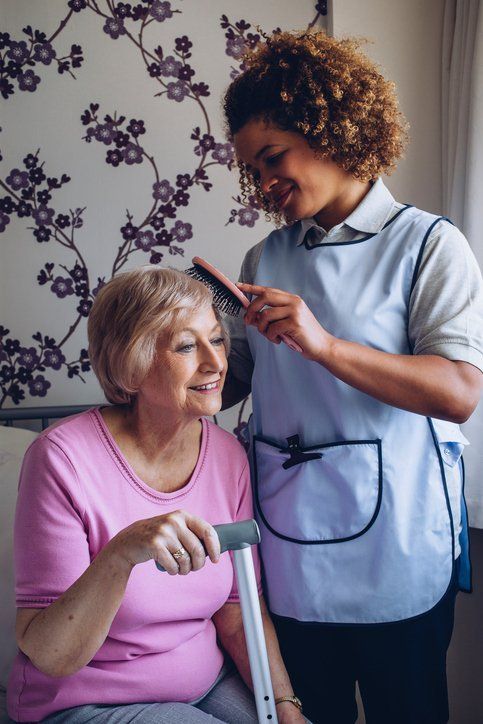
Home care can allow individuals to continue making choices about their schedules, meals, activities, visitors, and daily routines. Rather than adapting to the structure of a larger residential facility, clients can often receive assistance while maintaining many of the habits and preferences that are important to them.
Depending on individual needs, caregivers may provide support with:
- Personal care
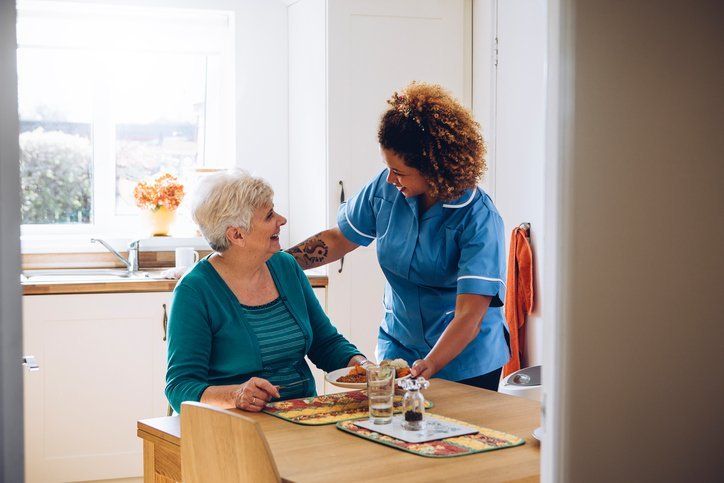
- Meal preparation
- Light housekeeping
- Mobility
- Transportation
- Errands
- Companionship
- Medication reminders within the appropriate scope of care
The goal is often to provide the right amount of assistance without unnecessarily taking away independence.
Personalized One-on-One Attention
In a nursing home, staff members typically care for multiple residents at the same time.
Home care, by contrast, can offer more individualized attention. A caregiver can focus on one client’s particular routines, preferences, and support needs during scheduled visits. This one-on-one approach can make it easier to notice changes in behavior, mobility, appetite, mood, or daily functioning. It also allows care to be adjusted as needs evolve.
For families seeking a more personalized experience, this can be one of the strongest reasons to consider care at home.
Maintaining Important Routines
Daily routines often become increasingly important as people age. Being able to wake up at a preferred time, enjoy familiar meals, sit in a favorite room, care for a pet, or participate in neighborhood activities can contribute to a greater sense of normalcy.
Home-based care can be built around these routines rather than requiring the individual to fit into a facility-wide schedule. For seniors who value consistency and familiarity, maintaining established routines may support greater comfort and satisfaction.
Meaningful Companionship
Living alone can sometimes contribute to loneliness and social isolation, particularly when mobility becomes limited.
Companionship care provides regular social interaction while also helping individuals with everyday activities. A caregiver might spend time talking, preparing meals, going for walks, playing games, accompanying a client to appointments, or helping with errands.
This type of consistent interaction can provide valuable emotional support while helping seniors remain connected to daily life.
More Convenient Family Involvement
Home care can also make it easier for family members to remain actively involved.
Instead of visiting a loved one in a facility, relatives can continue spending time together in a familiar home environment. Families may also find it easier to coordinate care, communicate with caregivers, and participate in everyday routines.
Professional care can supplement the help provided by relatives rather than replacing family involvement entirely.
This may be particularly valuable when family caregivers want to remain engaged but need additional support to avoid becoming overwhelmed.
Support After Surgery or Illness
Home care is not only for long-term aging needs.
Individuals recovering from surgery, injury, or illness may temporarily need assistance while regaining strength and independence. Returning home can offer a comfortable place to recover while receiving help with meals, household tasks, transportation, personal care, or other daily activities.
For someone who does not require continuous skilled nursing supervision, temporary in-home support may provide a practical alternative to an extended facility stay.
Aging in Place Can Offer Emotional Benefits
Many seniors strongly prefer to remain in their own homes for as long as possible.
Being able to age in place can preserve a sense of identity, control, and connection to the community. Familiar surroundings, established routines, nearby friends, and meaningful possessions can all contribute to emotional well-being.
For individuals who can safely remain at home, professional support can make aging in place more practical while giving family members greater peace of mind.
Home Care Is Not Right for Every Situation
Although home health care and non-medical home care offer many benefits, a nursing home or another residential care setting may be more appropriate for some individuals.
Someone who requires continuous medical monitoring, complex skilled nursing care, or a level of supervision that cannot safely be provided at home may benefit from facility-based care.
Safety should always come first. Families should consider mobility, cognitive abilities, medical needs, home accessibility, available family support, and professional recommendations when deciding which environment is most appropriate.
Contact Our Home Health Care Team to Get Started
The decision between home care and a nursing home should be based on the individual—not simply on age.
For many seniors, home health care provides an opportunity to remain independent, comfortable, and connected to familiar surroundings while receiving personalized support. If you're interested in learning about this versatile form of care, we urge you to contact one of the knowledgeable representatives at Phillips Home Healthcare. Our qualified team members are proud to provide dedicated support across the Fayetteville, Raleigh, and Wilson, NC regions.